Source Aluminum Z Axis Leadscrew Top Mount for 3D Printers, CNC, and Automation
Compare 30 verified listings for aluminum z axis leadscrew top mount components used in 3D printers, CNC machines, and industrial automation systems. Buyers can evaluate specifications, pricing, and customization options from suppliers in Guangdong, China; compare the available evidence and request quotations based on your requirements.
Key considerations
Products List


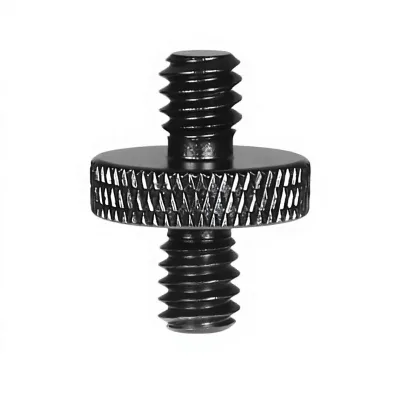



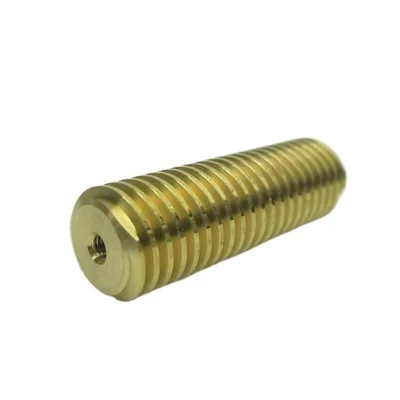


Comprehensive Sourcing Guide
Aluminum Z Axis Leadscrew Top Mount Sourcing Guide
Sourcing aluminum z axis leadscrew top mount components requires a disciplined approach to material selection and mechanical compatibility. Buyers must prioritize the structural integrity of the aluminum housing, ensuring it provides sufficient rigidity to support vertical motion without introducing deflection or vibration during high-speed operations. The top mount design specifically addresses stability needs in CNC routers, 3D printers, and automated assembly lines where precise vertical positioning is critical. Understanding the interplay between the leadscrew’s pitch and the mount’s load-bearing capacity is essential for maintaining long-term accuracy. Procurement teams should evaluate how the aluminum alloy’s thermal expansion properties interact with the steel leadscrew to prevent binding or loosening under varying operational temperatures.
The procurement process also demands careful attention to the interface geometry between the mount and the machine frame. Standardized hole patterns and thread specifications must align with existing chassis designs to avoid costly custom fabrication or adapter plates. Buyers should verify that the aluminum component’s surface finish meets the friction and wear requirements for the specific application environment. Whether the system operates in a cleanroom or a dusty industrial setting, the mount’s design must facilitate easy maintenance and lubrication access. Evaluating the modularity of the top mount allows for future upgrades or replacements without dismantling the entire vertical axis assembly, thereby reducing downtime and extending the lifecycle of the capital equipment.
Product Scope and Observed Listing Signals
Market listings for aluminum z axis leadscrew top mounts often display a wide variance in specifications, requiring buyers to distinguish between generic hardware and specialized motion control components. Observed product attributes frequently highlight customization options, indicating that many suppliers offer tailored solutions for unique machine geometries. Buyers should scrutinize listings for explicit mentions of material grades, as "aluminum" alone does not guarantee the necessary strength-to-weight ratio for heavy-duty vertical axes. The presence of terms like "customized" or "OEM" suggests that suppliers are willing to adapt dimensions and mounting features to specific client requirements, which is crucial for integrating these mounts into proprietary machinery designs.
Listing signals also reveal the diversity of connection types and standard compliance across different suppliers. Some products may reference international standards such as DIN, ANSI, or GB, which serve as indicators of manufacturing consistency and quality control. However, buyers must not assume that all listed items meet these standards without verification. The observed range of minimum order quantities (MOQ) varies significantly, from single-piece prototypes to bulk industrial orders, influencing the sourcing strategy for both R&D and mass production phases. Additionally, packaging details like polybags or cartons provide clues about the supplier’s attention to protecting delicate aluminum surfaces during transit, which is vital for maintaining precision tolerances upon arrival.
Technical Specifications to Verify
Verifying technical specifications is the most critical step in ensuring the aluminum z axis leadscrew top mount performs as intended. Buyers must confirm the exact aluminum alloy grade, as different alloys offer varying levels of tensile strength, corrosion resistance, and machinability. The dimensional accuracy of the mounting holes and the internal threading must be checked against the machine’s design drawings to ensure a perfect fit. Tolerance levels, often specified in micrometers, are paramount for maintaining the positional accuracy of the vertical axis. Any deviation in these dimensions can lead to misalignment, increased wear on the leadscrew, and eventual failure of the motion system.
Thermal and mechanical properties also require rigorous verification. Buyers should inquire about the anodizing process or surface treatment applied to the aluminum, as this affects durability and friction characteristics. The load capacity of the top mount must be calculated based on the weight of the moving carriage and any external forces applied during operation. Additionally, the compatibility with the specific leadscrew diameter and pitch must be confirmed, as mismatched components can cause binding or slippage. Testing equipment data, such as projector measurements for dimensional accuracy, can provide objective evidence of the supplier’s quality control capabilities, ensuring that the physical product matches the technical documentation provided.
Compliance and Safety Documentation
Compliance and safety documentation are essential for mitigating legal and operational risks in industrial procurement. Buyers should request certificates of conformity that verify the aluminum material meets relevant environmental and safety standards, such as RoHS, which restricts hazardous substances in electronic and mechanical components. While specific certifications may vary by supplier, the presence of ISO certification indicates a structured quality management system that supports consistent product quality. Documentation should also include material test reports that confirm the mechanical properties of the aluminum alloy, ensuring it can withstand the operational stresses of the z axis application.
Safety considerations extend to the design of the top mount itself, particularly regarding pinch points and structural failure modes. Buyers must ensure that the mount design includes adequate safety factors to prevent catastrophic failure under unexpected loads. Documentation should also cover any relevant industry-specific regulations, such as those governing machinery safety in the European Union or North America. By maintaining a complete paper trail of compliance documents, procurement teams can facilitate smoother audits and ensure that the sourced components do not introduce regulatory liabilities into the final product. This diligence is particularly important for exports to regions with strict environmental and safety laws.
Cost Drivers and Commercial Terms
Understanding the cost drivers behind aluminum z axis leadscrew top mounts helps buyers negotiate better commercial terms. The primary cost factors include the raw material price of the aluminum alloy, the complexity of the CNC machining process, and the surface treatment required. Customization significantly impacts pricing, as non-standard dimensions or unique mounting features require additional engineering and setup time. Buyers should also consider the impact of order volume on unit costs, as higher quantities often allow suppliers to optimize production runs and reduce per-unit pricing. However, extremely low prices may indicate compromised material quality or lax quality control, which can lead to higher long-term costs due to failures.
Commercial terms such as lead time, payment conditions, and shipping methods also play a crucial role in the total cost of ownership. Quick delivery times, often advertised as seven days, may come at a premium but can be valuable for urgent production needs. Buyers should clarify whether shipping costs are included or if they are billed separately, as international logistics can add significant expenses. Payment terms should be negotiated to balance risk, with options like partial upfront payment and balance upon shipment being common. Understanding these variables allows procurement teams to create accurate budget forecasts and avoid unexpected financial surprises during the sourcing process.
Supplier Qualification and Quality Control
Supplier qualification is a proactive measure to ensure the reliability of the aluminum z axis leadscrew top mount supply chain. Buyers should assess the supplier’s manufacturing capabilities, including their CNC machining precision and quality control processes. Requesting samples for initial evaluation allows buyers to verify dimensional accuracy, surface finish, and material quality before committing to large orders. Suppliers with a history of providing OEM and ODM services often demonstrate greater flexibility and technical expertise, which can be beneficial for complex projects. Additionally, checking the supplier’s track record for on-time delivery and responsiveness to technical queries provides insight into their operational reliability.
Quality control procedures should be clearly defined and agreed upon before production begins. Buyers should inquire about the testing equipment used, such as projectors for dimensional verification, and the frequency of inspections during the manufacturing process. A robust quality management system, often indicated by ISO certification, suggests that the supplier has standardized procedures for maintaining consistency. Buyers may also consider implementing incoming inspection protocols to verify that delivered components meet the specified tolerances. Establishing a clear communication channel for addressing defects or discrepancies ensures that issues are resolved quickly, minimizing production delays and maintaining the integrity of the final assembly.
Long-Term Procurement Checks
Long-term procurement checks are necessary to maintain the performance and reliability of the aluminum z axis leadscrew top mount over time. Buyers should establish a periodic review process to assess supplier performance, including metrics on delivery consistency, defect rates, and responsiveness. Regular audits of the supplier’s quality control processes can help identify potential issues before they impact production. Additionally, staying informed about advancements in aluminum alloys and machining technologies can provide opportunities for cost savings or performance improvements. Building a strong relationship with the supplier can also facilitate better support for troubleshooting and future design iterations.
Supply chain resilience is another critical aspect of long-term procurement. Buyers should diversify their supplier base to mitigate the risk of disruptions caused by geopolitical events, natural disasters, or production capacity constraints. Maintaining a buffer stock of critical components can help ensure continuous operation in case of sudden supply shortages. Furthermore, monitoring market trends for raw material prices allows buyers to anticipate cost fluctuations and adjust procurement strategies accordingly. By continuously evaluating and optimizing the sourcing process, buyers can ensure that the aluminum z axis leadscrew top mounts remain a reliable and cost-effective component of their machinery.
FAQs
What materials are used for aluminum z axis leadscrew top mount components?
The components are primarily manufactured from stainless steel and alloy materials. Some specific parts utilize copper for bushing applications. These materials ensure durability and resistance to wear in metal processing machinery. The selection depends on the specific mechanical requirements and environmental conditions of the application.
Can these components be customized for specific machinery applications?
Yes, customization is available for these components. The supplier offers OEM and ODM services to meet unique requirements. Products can be tailored with specific head styles, such as round heads, and various groove types. This flexibility allows for precise integration into metal drawing, engraving, or forging machinery systems.
What certifications do the aluminum z axis leadscrew top mount parts hold?
The parts hold RoHS and ISO certifications. These certifications indicate compliance with international quality and environmental standards. The manufacturing process adheres to strict quality control measures, ensuring reliability for industrial applications. Buyers can verify these credentials to ensure the components meet their specific regulatory and quality requirements.
What is the typical lead time for ordering these components?
The lead time varies based on the order specifics. Quick delivery options are available within 7 days for certain items. Standard orders may require up to 20 days for processing and shipment. Buyers should confirm the exact timeline with the supplier based on the quantity and customization needs of their specific purchase.
Which standards are followed for the production of these parts?
The parts are produced following multiple international standards including GOST, GB, DIN, ANSI, BSW, JIS, and ASTM. This adherence ensures compatibility with global machinery systems. The specifications cover various diameters and thread types, allowing for versatile application in different industrial settings and equipment configurations.
What is the minimum order quantity for these components?
The minimum order quantity can be as low as 1 piece. This low MOQ allows for easy sampling and small batch testing. Larger orders may have different terms, but the flexibility supports both prototype development and full-scale production needs for various machinery applications.